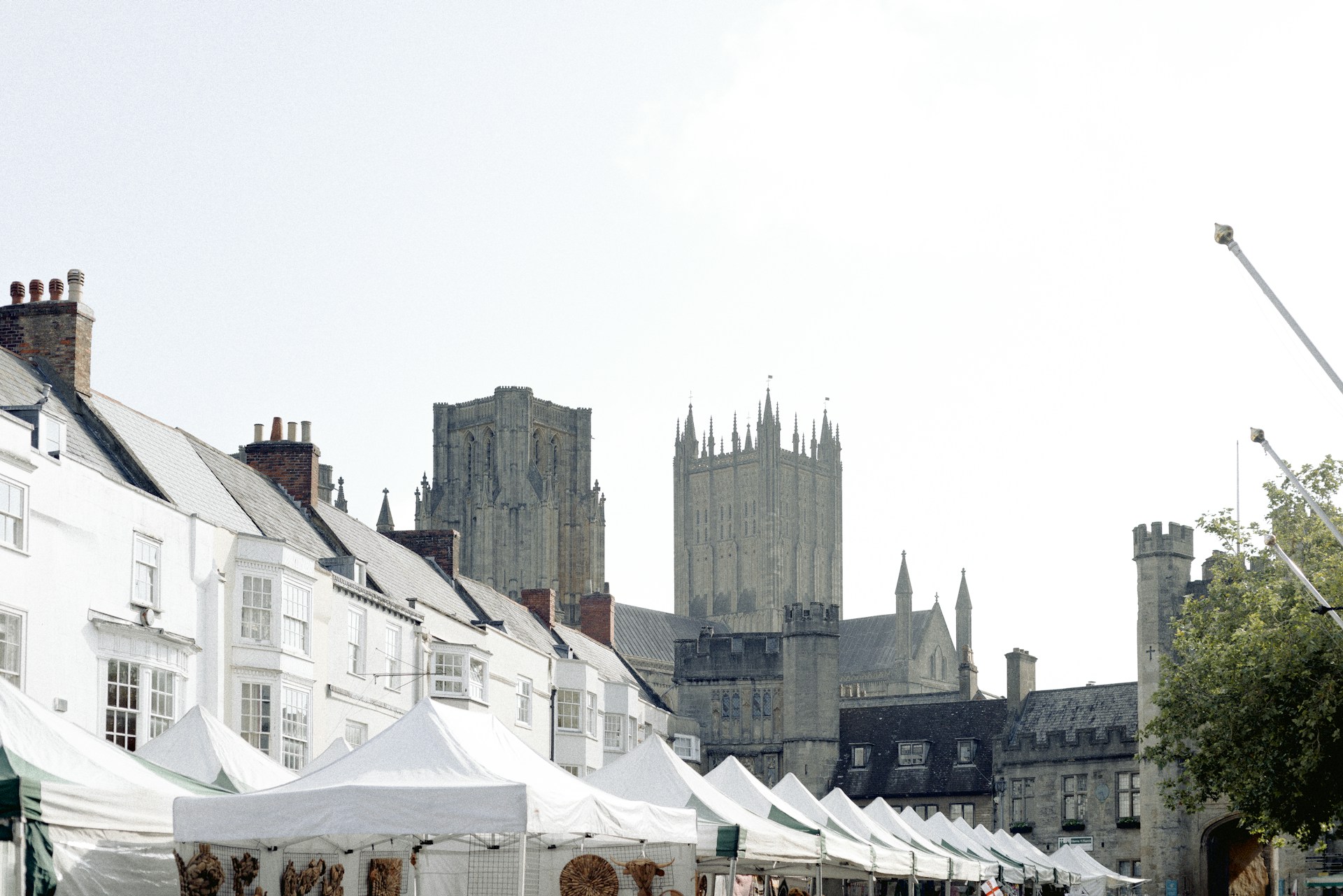
There’s a certain magic in escaping the city’s hustle and bustle for the cobblestone streets and gentle pace of a historic market town. These classic English places are more than just pretty postcards; they’re lively communities full of history, character, and charm. For centuries, they’ve been the heart of rural life, trading hubs, and spots where stories are woven into the very buildings. Today, their appeal is stronger than ever, offering a unique mix of tradition and modern living that draws in both visitors and residents.
Whether you’re planning a weekend trip or dreaming of a slower life, exploring these towns gives you a peek into a richer, more connected way of living. From the architecture lining the streets to the independent shops defining the high street, there’s so much to find.
Architectural Gems to Discover
One of the best parts of a historic market town is its stunning architecture. These towns are like open-air museums, showing off a beautiful mix of styles from different eras, all sitting happily side-by-side. You can trace the town’s history just by looking up at the buildings. You might see timber-framed Tudor houses leaning gently against each other, elegant Georgian townhouses with their balanced windows and grand doorways, and solid Victorian terraces built for the town’s growing workforce. The timeless charm of English market towns often centres around these old buildings.
At the heart of it all is usually the market square, often watched over by a fancy market cross or a grand town hall. These were the main spots for business and social life for hundreds of years. Many towns also have magnificent parish churches with tall spires that have stood over the skyline for generations, or old coaching inns where travellers once rested their tired horses. Exploring the winding lanes or ‘shuttles’ that lead off the main square often reveals hidden courtyards, almshouses, and secret gardens. This rich mix of buildings is what makes each of these old and historic towns in England so special and endlessly interesting to explore.
Investing in Timeless Appeal
The lasting charm of market towns isn’t just attracting tourists; it’s also bringing in new residents and property investors. People want a better quality of life, more space, and a stronger sense of community, making these places highly desirable. This creates a stable and often growing property market, making them a good choice for those looking to invest outside big cities. The properties themselves, from cute cottages to grand old homes, offer a unique appeal that new-builds often lack.
If you’re thinking about a buy-to-let investment, the unique character of these properties needs careful handling. Finding good resources is key, and many hopeful landlords start by looking up budgeting and management tips online, from big property sites to niche blogs. Even a resource named https://mumonabudget.co.uk/ highlights the growing need for smart property solutions. Making sure an old property is well-kept and meets the expectations of tenants who are drawn to the town’s character is super important. The reward isn’t just money; it’s about owning a piece of history and helping to keep a town’s unique heritage alive.
Beyond the High Street
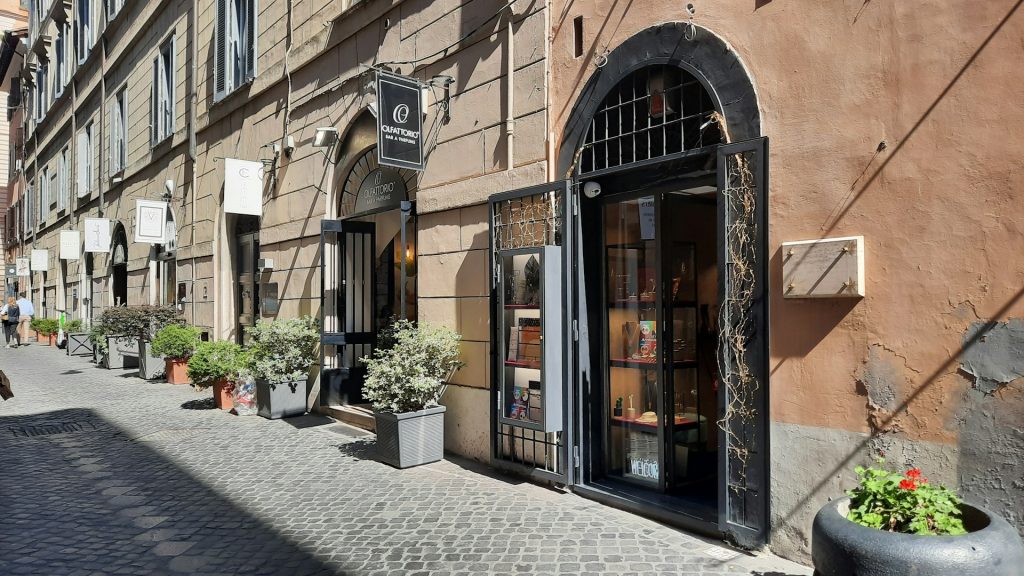
While the traditional high street with its butcher, baker, and local pub is a big part of the experience, the real soul of a market town is often found just beyond it. Venture down a narrow alleyway or ‘snicket,’ and you might discover a world of independent businesses and artisan producers. These are the places that give a town its unique flavour and identity. You’ll find everything from tiny bookshops packed to the rafters with literary treasures to galleries showing off local artists’ work.
Many towns have a lively community of craftspeople. You might stumble upon a potter’s studio, a bespoke jeweller, or a furniture maker using old techniques. Supporting these businesses feels good because you’re buying something truly unique and helping to keep local skills going. The weekly market remains a core part of town life, a vibrant hub where you can buy fresh local produce, artisan cheeses, homemade cakes, and handcrafted goods directly from the people who made them. This focus on local and independent businesses is a refreshing change from the similar shopping centres of big cities and is a key part of what makes these charming small towns so special, both here and abroad.
The Local Lifestyle Appeal
What truly makes a market town appealing is the lifestyle it offers. There’s a real sense of community that can be hard to find in bigger cities. People tend to have more time for each other; a trip to the shops can easily turn into several friendly chats with neighbours and shopkeepers. Life moves slower, more thoughtfully, and feels more connected to the seasons. This community spirit often shines throughout the year, with a calendar full of local events like summer fêtes, Christmas markets, food festivals, and open garden schemes.
These towns also offer amazing access to the British countryside. They’re often nestled in beautiful landscapes, from the rolling hills of the Cotswolds to the dramatic coastlines of Cornwall. This means a country walk, a riverside picnic, or a brisk hike is never far away. For many who move, it’s about finding a better work-life balance and getting the best of both worlds: a lively community right outside your door and nature’s playground just beyond. Even for those just visiting, spending time in one of the beautiful towns near London can feel like a complete reset from city life.
Culinary Delights and Cafés
The food scene in Britain’s market towns has changed a lot in recent years. While you can still find a fantastic traditional pub for a pint and a ploughman’s lunch, there’s now a much wider range of food experiences available. The focus is definitely on local, seasonal produce, and this shows in the menus of the many excellent restaurants, gastropubs, and bistros that have popped up. Chefs are drawn to these areas by the abundance of high-quality ingredients from surrounding farms and producers.
Beyond formal dining, the café culture is booming. Cosy, independent tearooms are the perfect spot for a classic cream tea, complete with warm scones, clotted cream, and homemade jam. You’ll also find artisan coffee shops serving expertly brewed coffee and delicious pastries, perfect for a mid-morning pick-me-up while browsing the shops. Farm shops on the edge of town are another highlight, acting as treasure troves of local treats. You can stock up on everything from freshly picked vegetables and local meats to artisan bread, chutneys, and regional cheeses, giving you a true taste of the local area to take home.
In a world that often feels fast-paced and impersonal, the lasting charm of historic market towns offers a welcome change. They remind us of the value of community, craftsmanship, and a connection to our shared history, proving that sometimes, the most rewarding places are the ones that have taken their time.