Last Updated on: 26th June 2026, 02:18 pm
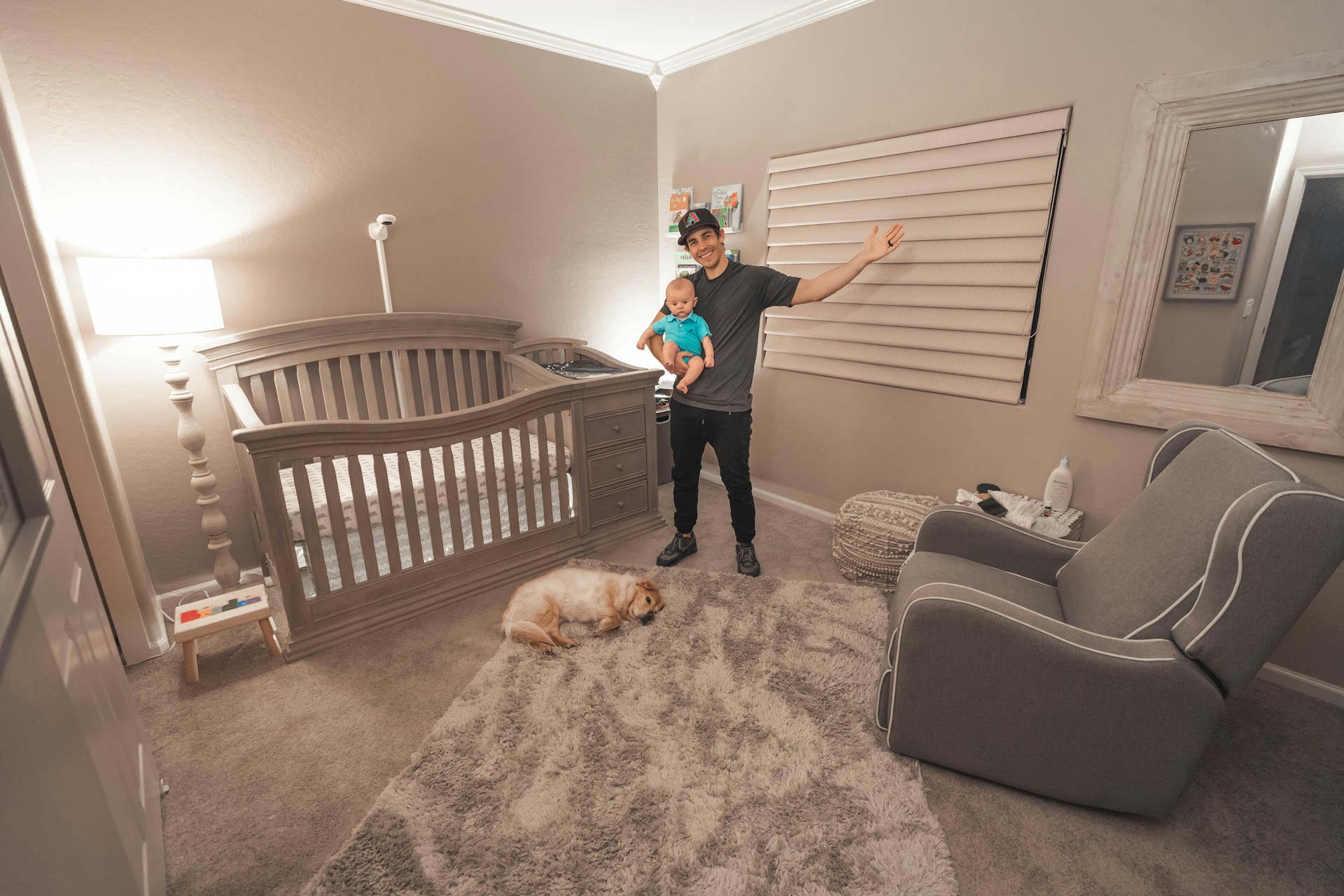
Bringing a new baby into the world is one of life’s most exciting times, and getting their nursery ready is a big part of that nesting feeling. As you picture the perfect space for your little one, you might be wondering how to make it not just beautiful and cosy, but also healthy and good for the planet.
An eco-friendly nursery might sound expensive, but it doesn’t have to cost a fortune. With some smart planning, you can create a sustainable, safe, and stylish room without breaking the bank.
Why Go Green for Baby?
Choosing a “green” nursery means more than just picking a colour or nature-themed decorations. It’s about making a deliberate choice to create a healthier space for your baby while also reducing your family’s impact on the environment. Babies are more sensitive to chemicals around them because their bodies and immune systems are still developing. Many common nursery items, from furniture to paint, can release chemicals into the air.
Picking eco-friendly options helps keep your baby’s exposure to these substances to a minimum. It also often means buying better quality, long-lasting items, which can save you money over time. Instead of buying cheap things that you’ll need to replace, you can choose pieces that will last through several children or can be sold later.
It’s all about making small, thoughtful changes that really add up for your baby’s health and the planet.
Sustainable Materials Explained
When you start looking for nursery items, you’ll see lots of words like “organic,” “sustainable,” and “non-toxic.” Knowing what these labels mean can help you make good decisions.
For furniture, solid wood is an excellent choice, especially if it has a Forest Stewardship Council (FSC) certification. This means the wood comes from forests that are managed responsibly.
Solid wood is much tougher than materials like MDF or particleboard, which are made from wood scraps glued together. These glues can contain formaldehyde, a chemical you’ll want to avoid.
When it comes to fabrics like bedding, curtains, and changing mat covers, go for natural fibres.
- Organic Cotton: This is grown without artificial pesticides and fertilisers, making it softer and gentler on a baby’s sensitive skin.
- Bamboo: Bamboo grows quickly and is a renewable resource, creating incredibly soft and breathable fabric.
- Linen and Hemp: Both are strong, natural fibres that get softer with every wash and have natural antibacterial qualities.
These materials breathe better than synthetic options like polyester, which helps keep your baby’s temperature regulated and lowers the risk of them getting too hot.
Budgeting for Sustainable Furniture
Furniture will probably be the biggest expense for your nursery, but it’s also where you can make a big sustainable impact. The main thing is to prioritise. Your baby needs a safe place to sleep, somewhere to change nappies, and a spot to store their clothes. Focus your budget on these three essential items: a cot, a changing unit, and a chest of drawers or wardrobe.
When you buy a new item like a cot, look for brands that care about safety and sustainability. This is a piece of furniture your baby will spend a lot of time in, so quality really matters. Some product lines, like the Newton limited edition cribs, are specifically designed to be breathable and made with non-toxic materials, offering a durable choice. A well-made cot can often turn into a toddler bed, making it last longer and giving you more for your money.
To make your budget go further, plan your purchases. Look out for seasonal sales, discounts for new parents, or clearance events. Don’t be shy about asking about floor models, which are often sold at a good discount. By focusing on a few high-quality, long-lasting pieces, you’ll build a strong foundation for your nursery that’s both safe and sustainable.
Second-Hand & Upcycled Finds
Buying second-hand is one of the best ways to create an eco-friendly nursery on a budget. It’s the ultimate form of recycling and can save you a lot of money. Websites like Facebook Marketplace, Gumtree, and local charity shops are full of nursery furniture. You can often find good quality, solid wood dressers, bookshelves, and nursing chairs for much less than their original price.
Upcycling is where the real fun begins. That old, dark wood chest of drawers you found for £20 can become a beautiful centrepiece with some sanding and a fresh coat of non-toxic paint. You can easily update a piece by swapping out the knobs or handles for something more modern or fun. This not only keeps a perfectly good piece of furniture out of landfill, but it also lets you create something unique that perfectly matches your nursery’s style.
Non-Toxic Decor Choices
The finishing touches are what make a room feel like a warm and welcoming nursery. Making non-toxic choices here is just as important as it is with furniture, especially for the air your baby will breathe.
The biggest difference you can make is with your choice of paint. Regular paints can release Volatile Organic Compounds (VOCs) into the air for years after they’ve dried. These chemicals contribute to indoor air pollution and can irritate a baby’s sensitive breathing system.
Look for paints labelled “zero-VOC” or “low-VOC” to ensure a healthier atmosphere. Many big brands now offer these eco-friendly options in a wide range of colours, so you won’t have to compromise on your vision.
For flooring, hard surfaces like solid wood or cork are easier to keep clean and free of dust mites and allergens compared to wall-to-wall carpets. If you want something soft underfoot, choose a rug made from natural fibres like wool, jute, or organic cotton. These materials usually don’t have the same chemical treatments as synthetic carpets.
Finally, have fun with decorations. You don’t need to spend a fortune on plastic toys and decor. Think about making your own mobile from felt shapes and a wooden hoop, or create bunting from fabric scraps. Frame beautiful prints from independent artists or even pages from a favourite children’s book. These personal touches make the space feel special and are much kinder to the environment and your wallet.
Creating a beautiful, eco-friendly nursery is a goal you can definitely achieve, even on a tight budget. It’s all about being thoughtful with your choices, focusing on health and durability, and getting a little creative along the way.